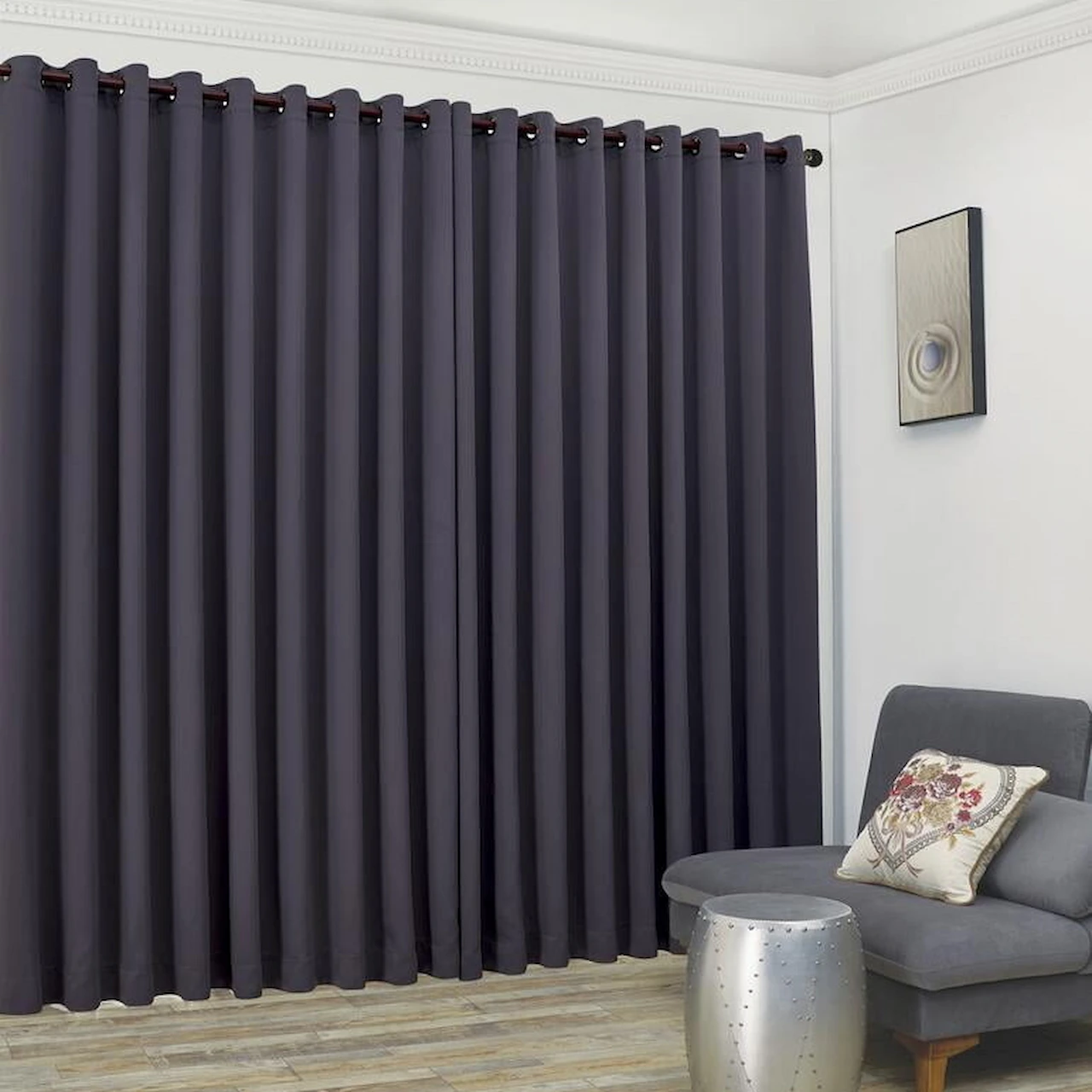
You decided to install blackout curtains after hearing about their light and heat blocking effects. But now that heat feels trapped inside, and you wonder why is my room so hot even with blackout curtains. You thought it would be darker, cooler, and more comfortable than ever. Well, you are not alone with this worry. Yes, the blackout drapery system does an excellent job of room darkening, but it is not always a complete heat control solution.
Reason Why Your Room Feels Hot Even With Blackout Drapes?
Here are some of the reasons why this issue is and what you can do to fix it.
1. Blackout Curtains Block Light, Not Always Heat
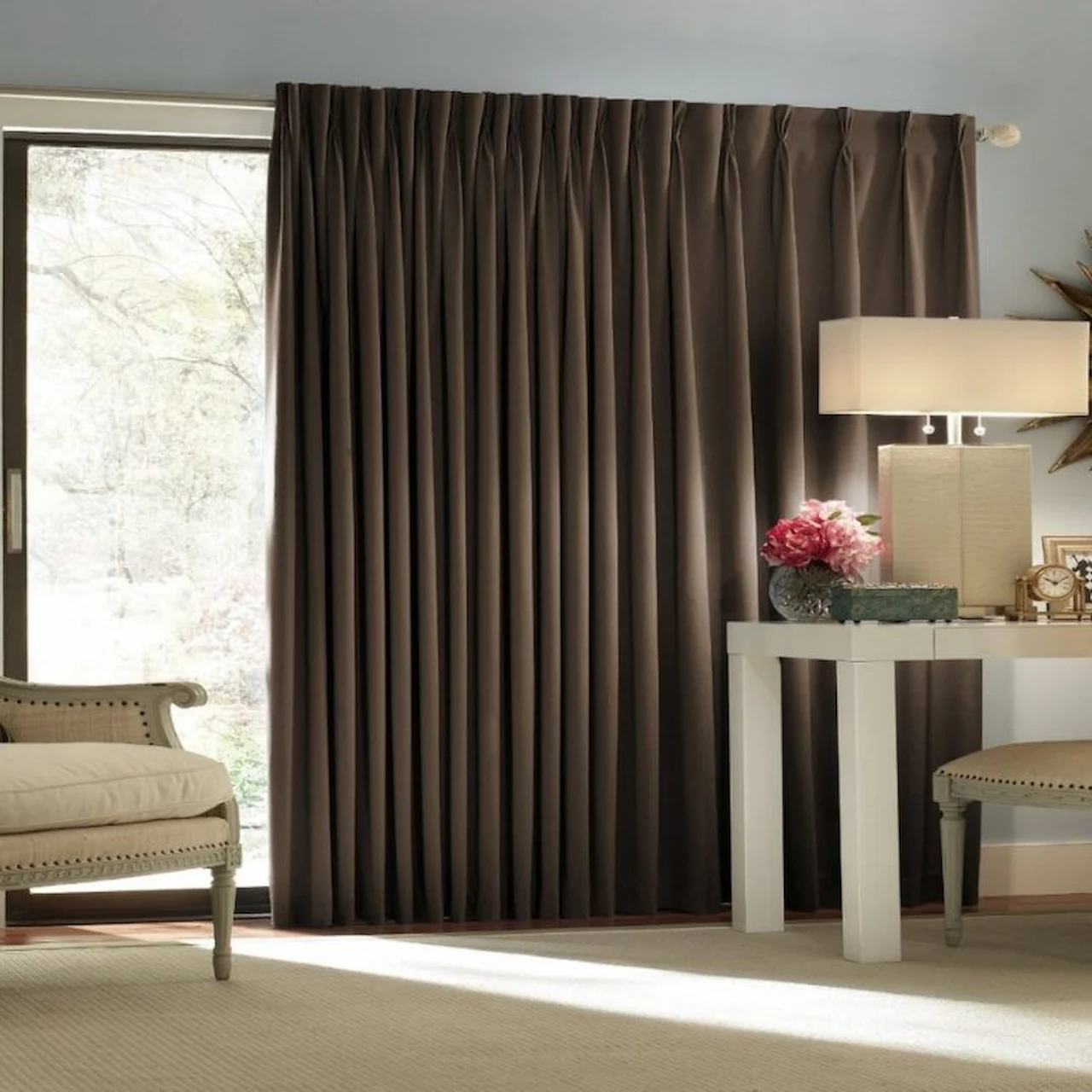
Most of these blackout curtains have a dense fabric that is tightly woven, or they come with a foam backing that blocks sunlight. You need to get these drapes with labeling as thermal insulated curtains, or otherwise they won’t reduce the heat transfer. If not, the heat will pass through the fabric, enter via gaps around the edges, or it will transfer directly from the window glass.
2. Heat Is Entering Through the Window Glass
Windows are the major source of the indoor heat inflow. When the sunlight hits the glass windows, the glass absorbs the UV radiation and passes it through the conduction effect. This makes the air inside warmer, and the heat rises. Even if a blackout curtain blocks light, the glass might already be heated. This heat buildup will be more if you have single-pane windows, aluminum windows, or west-facing windows.
3. Gaps Around Curtains Let Heat In
A curtain will work properly if you install it properly, with the most common issues being the gaps near the top of the curtain rod. You leave open spaces at the sides, or the curtains do not come all the way to the flow or the narrow fabric paneling doesn’t cover the window entirely. Even a small gap will allow the hot air to move around in your room and can make it the doors feel uncomfortable.
4. Your Walls and Ceiling Store Heat
The curtain only covers your windows, but heat comes not only via windows. Sometimes your room might face the direct sunlight, or the walls might have poor insulation. The biggest contributor can be an exposed roof or top floor. Heat will transfer via ceilings and walls with both brick walls and concrete absorbing heat during the daytime and slowly releasing it into the room at night. This is why some rooms might feel hottest at night even after sunset.
5. Poor Ventilation Traps Warm Air
A blackout drape can block the sunlight, but the warm air still needs a place to escape. Without a proper airflow, the hot air will rise and get trapped, raising the humidity content to make your room feel warmer and stuffy. If the window remains closed all day without having cross ventilation, the heat builds up inside and remains there for a long time. All the warm air can be circulated with use of ceiling fans, exhaust fans, or putting in proper ventilation systems.
6. Electronics and Appliances Add Hidden Heat
You might not realize this, but even the everyday devices in your home can generate heat that can raise your indoor heat levels. This includes items like computers, laptops, TVs, gaming consoles, lighting fixtures, and mobile chargers. In a small bedroom, this additional amount of heat can raise the indoor temperature and even combine with the outside heat. Try switching off the unused electronics to make a difference.
7. Your AC May Be Struggling
If you have air conditioning but your room still feels heated up, the issue is in the AC system. The filters of the AC might be dirty, the refrigerant level is low, or the poor insulation causes heat loss. If the heat entering at a faster rate than the cooling produced by the AC, the room will never get cool properly, even if you have thermal blackout curtains.
Easy Tips On How to Make Your Room Cooler?
Here are some to help you manage that heat in the room while you still have blackout curtains.
1. Upgrade to Thermal Insulated Curtains
You must look for drapes that are labeled as thermal curtains, triple-layer insulated curtains, or energy-efficient curtains. They don’t just block light but reduce heat transfer.
2. Install a Curtain Pelmet or Valance
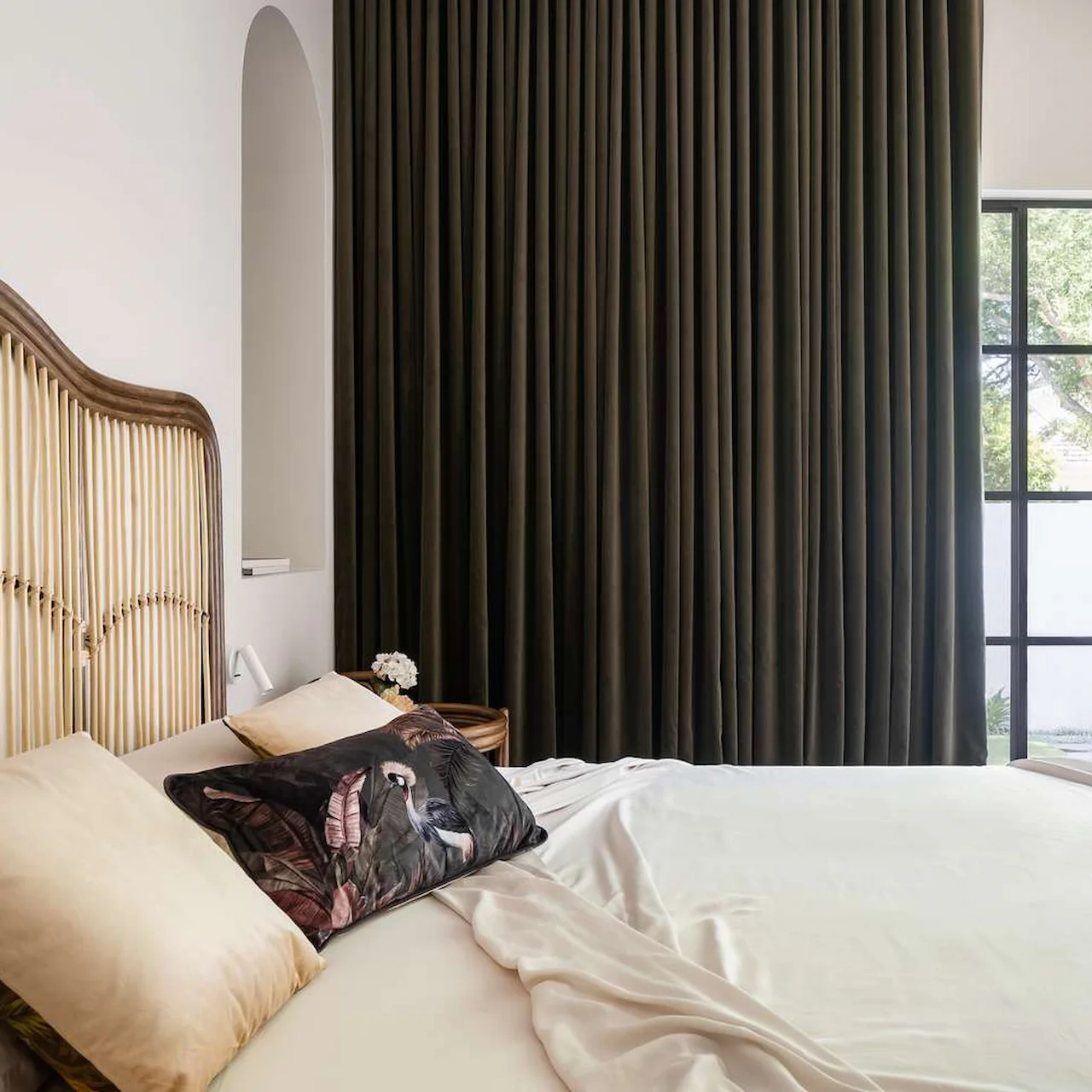
A pelmet is a covered box above your drapes that will prevent the hot air from moving behind your drapes to improve the insulation effect.
3. Use Reflective Window Film
You can use the solar control window film that reflects the sunlight before it can enter your room. It lowers the heat gain but will still let the natural light inside.
4. Seal Window Gaps
You can use weather stripping, caulking, or draft blockers. When you seal the gaps properly, the warm air will not leak inside.
5. Improve Ventilation
You can open the windows during the cooler hours, like early morning or late evening, for a better ventilation effect. Moving air feels cooler even if the temperature is the same.
Conclusion
Blackout curtains are excellent for blocking sunlight and improving your sleep quality. But they are bound to make you wonder why is my room so hot even with blackout curtains. This is because they alone are not a complete heat-control solution. You can have that heat inflow from multiple reasons, but when you do proper measures to add to the functionality of these drapes, you will find a significant difference.