Wrinkled curtains can instantly make even the most beautiful room look messy and unfinished. Whether you’ve just hung a brand-new set straight from the package or you’re refreshing older curtains that have been stored away, getting rid of creases is essential for achieving a polished, welcoming interior.
This guide brings together the most effective, safe, and fabric-specific methods for removing wrinkles from curtains.
What Causes Wrinkles in Curtains?
Wrinkles in curtains can be caused by a variety of factors, from packaging to the fabric itself. New curtains often have deep-set creases from being folded tightly in their packaging. Improper storage, such as cramming them into a closet, can also lead to stubborn wrinkles.
Even the process of washing and drying can introduce new creases, especially if curtains are left in the dryer for too long. Furthermore, some fabrics are simply more prone to wrinkling than others due to their natural fibers.
Best Ways to Remove Wrinkles from Curtains
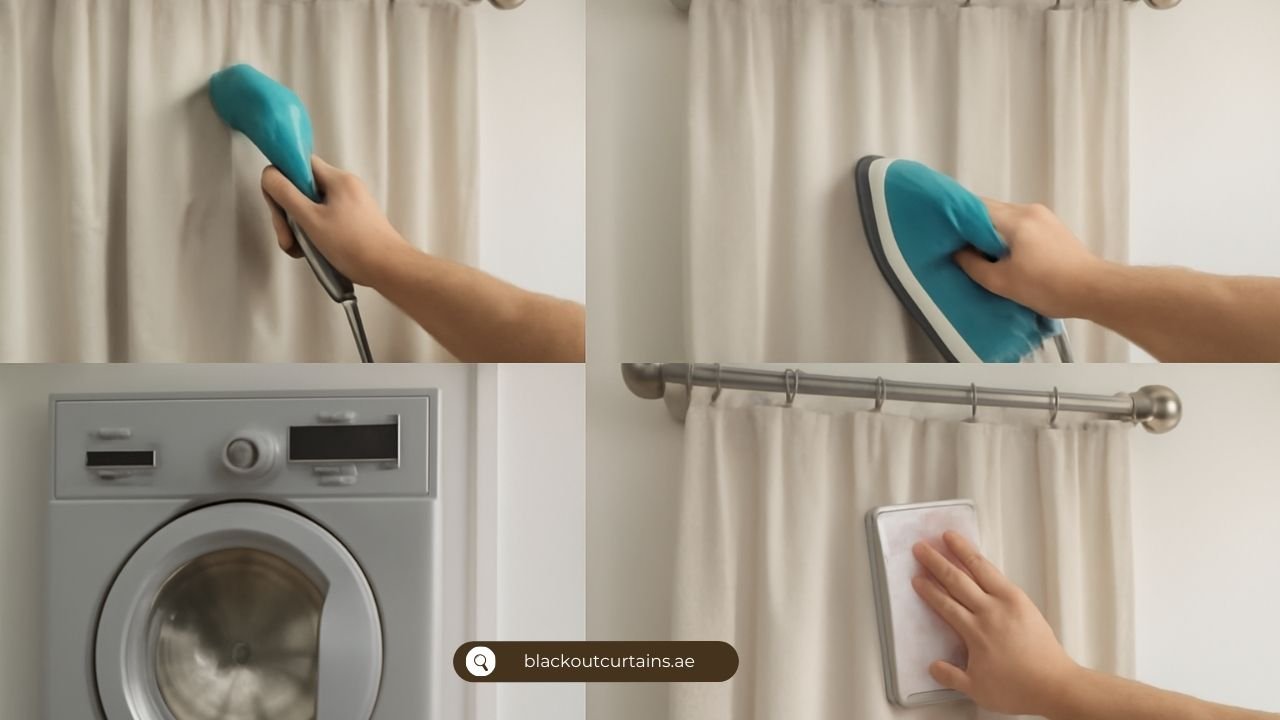
There are several effective methods for de-wrinkling curtains, each with its own advantages depending on the fabric type and the severity of the wrinkles.
Using a Steamer (Safest & Most Effective)
A garment steamer is arguably the most efficient and safest tool for removing wrinkles from curtains, especially while they are hanging. The hot moisture from the steamer relaxes the fabric fibers, allowing the wrinkles to fall away.
How to Steam Curtains:
- Fill your handheld steamer with distilled water to prevent mineral buildup that could stain your curtains.
- Hang the curtains on their rod.
- Hold the steamer nozzle about six inches away from the fabric and move it in slow, vertical strokes from top to bottom.
- For stubborn wrinkles, you can move a bit closer, but avoid direct contact with delicate fabrics like silk.
- Allow the fabric to air dry before touching.
Using an Iron (For Deep Creases)
For heavy cotton or linen curtains, ironing may be the most efficient choice. However, it carries the highest risk of scorching or shine marks, so always proceed carefully.
How to Iron Curtains Safely:
- Lay the curtain flat on an ironing board or a clean sheet.
- Set the iron to the correct heat for the fabric (start on low if unsure).
- Iron while the curtain is still slightly damp for best results.
- Use a pressing cloth between the iron and fabric to prevent damage.
- Always iron on the reverse side to protect the curtain’s finish.
Using a Dryer (Quick Fix for Washable Curtains)
A clothes dryer can be a convenient way to release wrinkles, but it’s only suitable for machine-washable fabrics like cotton or polyester blends.
Steps:
- Place curtains in the dryer with a damp towel.
- Run on a low-heat or tumble cycle for 15–20 minutes.
- Remove immediately and hang them up to let gravity smooth the fabric.
Warning: Never use this method for silk, velvet, or blackout curtains, as heat can permanently damage these materials.
Wrinkle-Release Sprays
These sprays work by lightly relaxing fabric fibers, making wrinkles easier to smooth out by hand. Available in stores or as DIY mixes, they’re best for light creases on everyday fabrics.
How to Use:
- Spray evenly across wrinkled areas.
- Gently tug and smooth with your hands.
- Let the curtain air dry fully.
DIY Alternative: Mix 1 cup water + 1 tbsp vinegar + a few drops of essential oil in a spray bottle. Always spot-test first.
Shower Steam Method (No Tools Needed)
If you don’t own a steamer, your bathroom can act as one.
Steps:
- Hang the curtains in the bathroom.
- Run a hot shower with the door closed for 10–15 minutes.
- Let the steam relax the fibers, then smooth by hand.
This is a gentle method but less effective on thick fabrics.
Fabric-Specific Wrinkle Removal
Each fabric reacts differently to heat and moisture. Always check the care label first.
| Fabric | Best Methods | Avoid |
|---|---|---|
| Cotton | Steaming, ironing (medium heat), dryer | High heat if fabric is thin |
| Polyester | Steaming, low-heat ironing, dryer | Excessive ironing (can melt) |
| Linen | Steaming, ironing while damp | Ignoring natural texture (linen always has slight creases) |
| Silk | Gentle steaming from a distance, dry cleaning | Ironing or direct steam contact |
| Velvet | Professional steaming, dry cleaning | Ironing (crushes pile) |
| Blackout/Insulated | Low-heat steaming, ironing on fabric side with cloth | Direct heat on liner (it can melt) |
Professional Curtain Care & Dry Cleaning
For expensive, delicate, or lined curtains (silk, velvet, embroidered fabrics), professional dry cleaning is the safest option. Experts use controlled steaming and pressing techniques that reduce the risk of shrinkage or permanent damage.
How to Prevent Wrinkles in Window Curtains?
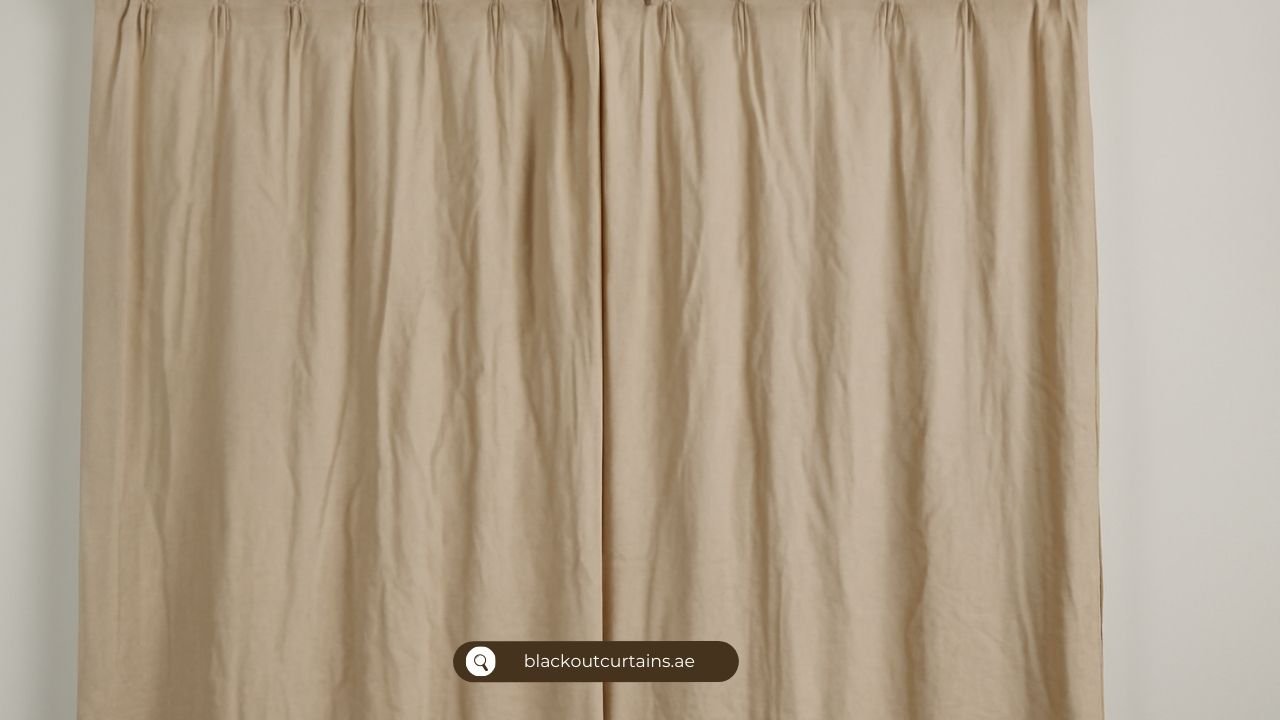
Preventing wrinkles is easier than removing them.
- Proper Hanging: Hang curtains immediately after washing and drying while they are still slightly damp. The weight of the fabric will help to pull out any remaining creases.
- Correct Storage: If you need to store your curtains, roll them instead of folding them to avoid sharp creases. Store them in a breathable fabric bag.
- Use Curtain Weights: For lightweight curtains, consider adding small weights to the bottom hem to help them hang straight.
Safety Tips to Protect Your Curtains
- Always check the care label before applying any method.
- Test sprays or steam on a hidden area first.
- Avoid high heat on delicate fabrics like silk, velvet, and blackout liners.
- Keep steamers at a safe distance to prevent water spots.
- Never iron blackout liners directly.
Why Wrinkle-Free Curtains Matter for Interior Design
- Interior designers consistently emphasize that curtains act like a frame for a room. Wrinkle-free curtains:
- Create smooth vertical lines that make ceilings look taller.
- Enhance natural light by hanging evenly.
- Contribute to a cleaner, more intentional aesthetic.
On the other hand, wrinkled curtains can make a space feel neglected, no matter how carefully decorated it is.
The Future of Curtain Fabrics
The textile industry continues to innovate with wrinkle-resistant and smart fabrics. New polyester blends introduced are not only crease-resistant but also integrate:
- Thermal insulation layers (reducing energy costs).
- UV-blocking fibers (to protect interiors from fading).
- Smart materials that adjust opacity with sunlight or a remote control.
While these fabrics won’t eliminate wrinkles, they reduce upkeep dramatically compared to traditional cotton or linen.
Read Also: Best Fabrics for Blackout Curtains
Can I remove wrinkles without taking the curtains down?
Yes. A handheld steamer works best on hanging curtains because the vertical position and heat relax the fibers naturally. If you don’t own a steamer, you can use a wrinkle-release spray or place the curtains in the bathroom during a hot shower to let steam loosen the creases.
What’s the safest way to get wrinkles out of blackout curtains?
Use a steamer at a safe distance, or if ironing, keep the setting on low and only press the fabric side. Never iron the blackout liner directly, as the heat can cause melting.
Will the dryer remove wrinkles from curtains?
Yes, but only for machine-washable fabrics like cotton and polyester blends. Place the curtains in the dryer with a damp towel on a low-heat setting for 15–20 minutes. Remove them immediately and hang them to prevent new wrinkles. Avoid this method with delicate fabrics like velvet, blackout or silk curtains.
How do I get wrinkles out of brand-new curtains?
New curtains often have strong fold lines from packaging. The most effective method is steaming them while they hang, ideally right after unpacking. If a steamer isn’t available, the shower steam method works for lighter fabrics.
Is it safe to steam silk curtains?
Yes, but with extreme caution. Keep the steamer at least 6 inches away from the fabric and use the lowest steam setting. For expensive silk, it’s safer to take them to a professional cleaner.
Can wrinkle-release sprays damage curtains?
Most commercial sprays are safe, but always spot-test on a hidden area first. DIY sprays with vinegar or fabric softener should also be tested to avoid staining delicate fabrics.
When should I use professional dry cleaning instead of DIY?
Curtains made from silk, velvet, or lined blackout materials are best handled by professionals. Dry cleaning prevents shrinkage, color fading, and liner damage.